Quick answer: Conch (pronounced "konk") is a large sea snail and the most iconic ingredient in Caymanian cooking. On Grand Cayman you will most often meet it three ways: in a slow-simmered conch chowder, as crisp conch fritters, and raw as a citrus-cured ceviche. At SeaRock on the George Town waterfront, the conch chowder is the dish guests cross the island for.
What exactly is conch?
Conch is the meat of the queen conch, a large marine snail that lives in the warm, shallow seagrass beds and sandy flats around Grand Cayman and the wider Cayman Islands. The meat is firm, lean and a little sweet, with a clean ocean flavour somewhere between a scallop and a clam. Handled well it turns tender; handled badly it goes rubbery, which is exactly why a good conch dish is a fair test of any island kitchen.
Caymanians have prepared conch for generations. It is woven into island life, a food that families gathered, cracked and cooked at home long before it ever appeared on a restaurant menu. That heritage is part of why it matters here, and why visitors should treat a plate of conch as the genuine taste of the Cayman Islands rather than a tourist novelty.
The famous pink-lipped conch shell is an island emblem in its own right, sounded as a horn, set on garden walls and carried home by visitors. The meat inside is lean, high in protein and low in fat, which is part of why it sustained island families for so long. Nothing was wasted: the shell decorated the home while the meat fed the table.
The ways conch is served in Cayman
Walk into an honest seafood kitchen in George Town and you will meet conch in several forms. These are the ones worth knowing:
- Conch chowder: a slow-simmered soup built on a tomato and aromatic base, deepened with island spice and a whisper of scotch bonnet. This is the version Grand Cayman is best known for, and the one most cruise visitors ask for by name.
- Conch fritters: diced conch folded into a light, seasoned batter and fried until golden. Crisp outside, tender inside, usually served with a citrus or pepper dipping sauce. The easy, shareable introduction to conch.
- Conch ceviche: raw conch cured in lime and citrus until it firms and turns opaque, then tossed with onion, sweet pepper, a little scotch bonnet and fresh herbs. Bright, cooling and perfect on a hot harbour afternoon.
- Conch stew: a heartier, long-cooked braise, the conch simmered low with onion, pepper and seasoning until meltingly tender and served over rice. Island comfort food.
- Cracked conch: conch pounded thin, lightly breaded and quickly fried, a close cousin of the fritter but served as whole pieces.
SeaRock's conch chowder
At SeaRock the conch chowder is the signature. Chef Thushara Siriwardana, who has cooked in Grand Cayman kitchens for two decades, simmers it slowly with island spice and just enough scotch bonnet to warm the back of the palate without burning it. More than one guest has called it the best conch chowder on the island, and it is the first thing the regulars tell first-timers to order. You will find it on the full SeaRock menu, and there is more on the heritage behind it in our piece on conch and turtle in Caymanian cooking.
Good conch is patience on a plate. Rush it and it fights you. Respect it and it turns tender and sweet.
Is conch in season? A note on the rules
Conch is a protected and carefully managed resource in the Cayman Islands. There is a defined conch season with closed periods and catch limits, and those rules are reviewed and can change from year to year. Rather than quoting dates that may be out of date by the time you read this, the responsible answer is simple: check the current local regulations before you ever take conch yourself, and trust that licensed restaurants source it legally. When you order conch at a reputable George Town restaurant, the seasonal and sustainability questions have already been handled for you.
Like Caribbean spiny lobster, conch tastes best when you respect where it comes from. If you are planning your eating around the calendar, our guide to Caribbean lobster season in Grand Cayman covers the other great seasonal catch worth timing a visit for.
How to order conch as a visitor
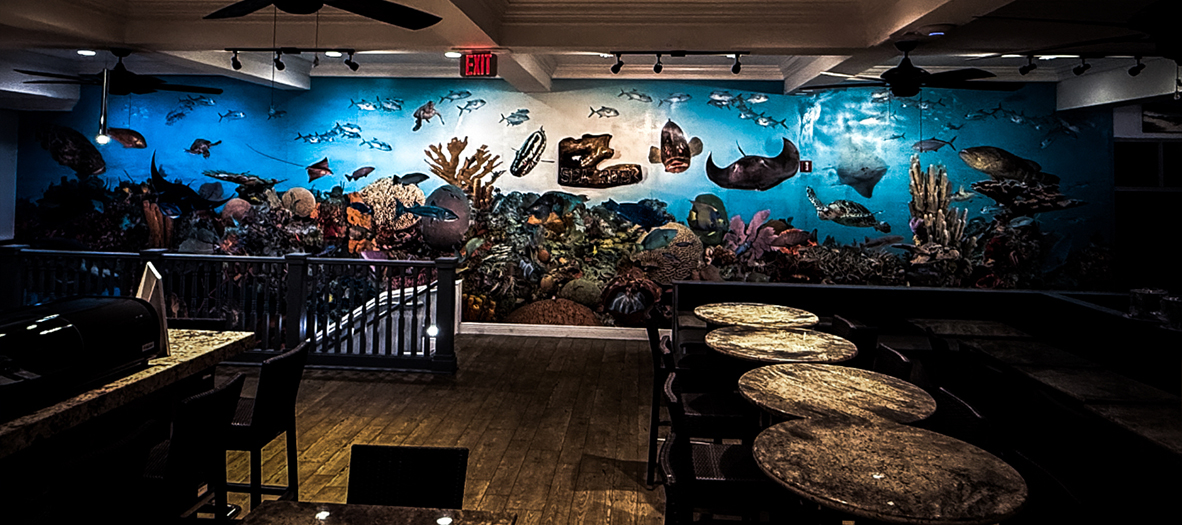
If conch is new to you, start with the fritters or the chowder, both gentle introductions. If you already love it, go for the ceviche when the weather is hot. And if you want to taste it the way Caymanians have eaten it for generations, the chowder at SeaRock is the place to begin. Pair it with a cold drink, take a table by the water, and look up at the largest Reef Mural on the island, one continuous painting of Cayman's underwater world running the length of an entire wall. You can read the story of that mural on our about page.
For the bigger picture, our guide to the best seafood in Grand Cayman maps out the whole table, from reef fish to lobster, and shows where conch fits into a full island seafood evening.
Eating conch near the cruise port
George Town is the capital of the Cayman Islands and the island's cruise port, which makes it the easiest place in Cayman to find a proper bowl of conch chowder. SeaRock sits right on the harbour at 43 Seafarers Way, about a two-minute walk from the cruise terminal, so you can step off the ship and be tasting the island's signature dish within minutes. If you have only a few hours in port, a bowl of chowder by the water is one of the most Caymanian things you can do with them. Seven Mile Beach is a short drive away, but the conch is best enjoyed right here on the George Town waterfront.
Conch is the taste that tells you that you are really in the Cayman Islands, and at SeaRock it is cooked by hands that have spent twenty years getting it right. When you are ready, reserve a table on the George Town waterfront, about two minutes from the cruise terminal, and let the chowder make the case.