Quick answer: Yes, you can eat very well as a vegetarian in Grand Cayman, and yes, SeaRock in George Town looks after plant-based guests. The island grows a lot of its own produce, Caribbean kitchens are full of vegetable cooking, and the Sri Lankan and Caribbean hand of Chef Thushara Siriwardana means a vegetarian plate at SeaRock is built with spice and patience, not left as an afterthought. If you are vegan or have a specific need, tell the kitchen and they will cook to it.
Can vegetarians eat well in the Cayman Islands?
A lot of visitors assume a seafood island is a hard place to be meat-free. It is not. Grand Cayman sits in the middle of a part of the world where vegetables, fruit and pulses have always done heavy lifting on the plate. Caribbean cooking leans on root crops, coconut, beans and bright spice, and Sri Lankan cooking, which is part of the DNA of the SeaRock kitchen, may be one of the most vegetable-loving cuisines on earth. Put those two traditions together and a vegetarian table stops being a compromise.
The trick in George Town, as in any cruise port, is knowing where the kitchen actually cares. Plenty of places will hand you a plain salad and call it done. The better move is a kitchen that treats vegetables as a dish in their own right, which is exactly the approach SeaRock takes on the harbour waterfront, about a two minute walk from the cruise terminal.
What grows here: the island's produce
Knowing what is local helps you order well. Across the Cayman Islands and the wider Caribbean you will see produce like this turn up on plates, in markets and in island home cooking:
- Breadfruit and cassava, starchy island staples that roast, fry and mash beautifully and stand in for potato.
- Plantain, fried sweet and golden, a side that goes with almost anything.
- Pumpkin and sweet potato, the backbone of island soups and stews.
- Callaloo and other island greens, simmered down soft with onion and thyme.
- Mango, pineapple and other tropical fruit, which turn into chutneys and sauces that lift a vegetable plate.
- Scotch bonnet, thyme, ginger and coconut, the aromatics that give Caribbean vegetable cooking its depth.
Because these ingredients grow in the region, a vegetable-forward meal here can taste of the place rather than of an airport. That is the difference between eating to survive and eating to remember.
Vegetables are not a side note in island cooking. Treated with spice and a slow hand, they carry a plate on their own.
Vegetable-forward dishes to look for
When you are scanning a menu in Grand Cayman, these are the kinds of plates that reward a vegetarian or vegan diner:
- A proper island salad, such as arugula and beet, with real dressing and texture rather than a token bowl of leaves.
- A produce-led soup, like a local pumpkin and green apple soup, where the vegetable is the star.
- Roasted seasonal vegetables handled like a main, charred and seasoned with care.
- A coconut vegetable or lentil curry, the Sri Lankan and Caribbean kitchens both do this brilliantly, served with jasmine or lemongrass rice.
- Plantain, chutney and rice sides that can be combined into a generous, satisfying plate.
What SeaRock offers vegetarians and vegans
SeaRock is known for the catch, but the same kitchen that built its name on conch chowder and fresh reef fish is just as happy with a meat-free table. The menu carries vegetable-led starters and sides that a vegetarian can build a full meal around, from a bright arugula and beet salad to a local pumpkin and green apple soup, roasted seasonal vegetables, and rice and chutney that travel well across the plate. You can read the full range on the SeaRock menu.
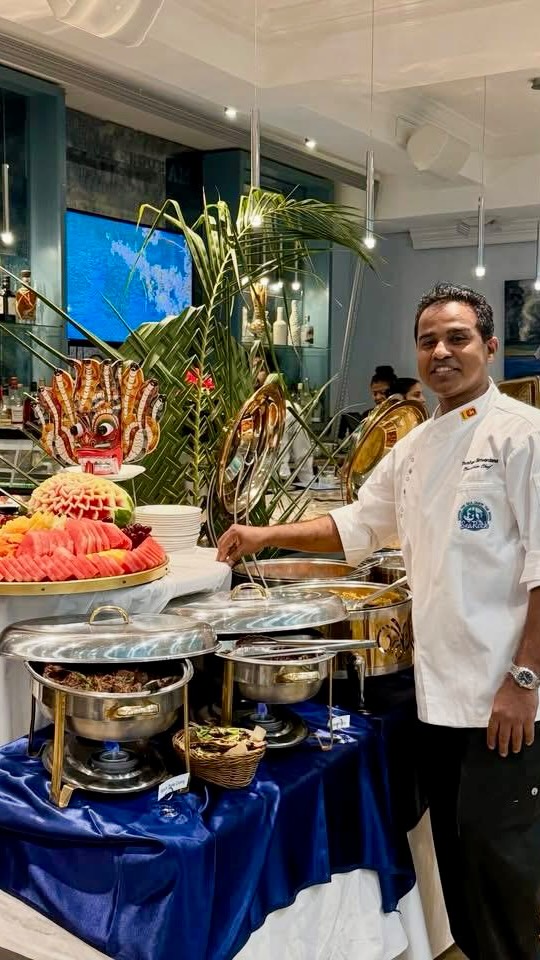
The real advantage is Chef Thushara himself. After two decades in Grand Cayman kitchens and a Sri Lankan upbringing built around vegetable curries, dhal and coconut, he is genuinely comfortable cooking plant-based. Regulars know that if you ask for something that is not printed on the menu, he will happily make it, and make it well. Tell your server you are vegetarian or vegan when you sit down, and the kitchen will build you a plate with real flavour. For more on the cooking, our guide to the best things to eat in Grand Cayman and our foodie day on Grand Cayman are good companions, and the gallery shows how the plates actually look.
Tips for plant-based dining near the cruise port
- Say it early. Mention vegetarian or vegan needs when you order, not after, so the kitchen can plan the plate.
- Ask about the curry and the rice. Coconut curries are often naturally vegan, and rice sides make any plate a meal.
- Be specific about fish. In a seafood town it is worth confirming a dish is free of fish sauce or stock if you are strict.
- Come hungry on the waterfront. SeaRock sits right on the George Town harbour, a short walk from the cruise terminal, so it is an easy stop on a port day.
Eating plant-based in Grand Cayman is not a problem to solve, it is a doorway into the island's produce and spice. Bring your appetite to the harbour and let the kitchen show you what vegetables can do. When you are ready, reserve a table at SeaRock and ask for the vegetarian plate. Chef Thushara has built a twenty year reputation on saying yes.