Quick answer: The local fish you will see on Grand Cayman menus are mostly reef and offshore species: snapper, grouper, mahi mahi (also called dorado) and wahoo, along with fresh tuna. Each has its own flavour and texture. At SeaRock in George Town, two of the most ordered are the Local Snapper (CI$36) and the Curry Grouper (CI$36).
Why local fish matters in Cayman
Grand Cayman sits in clear, deep Caribbean water, and the fish that come out of it are about as fresh as seafood gets. Eating local fish here is not only better for flavour; it connects you to the island. The same species Caymanians have caught for generations are the ones on the best menus in George Town today. When a restaurant lists the catch as local, it usually means the fish travelled a very short distance from boat to kitchen to plate, never seeing a long-haul freezer.
Most of the fish here is caught close to home. Local boats work the reef and the deeper water off the island, often landing line-caught fish that reach the kitchen the same day. That short journey is the whole secret. A snapper that was swimming in the morning needs almost nothing from the cook, while fish that has crossed an ocean in a freezer can never quite catch up, no matter how skilled the kitchen.
The fish you will see on the menu
You do not need to be an expert to order well. Here is a quick field guide to the local fish you are most likely to meet:
- Snapper: mild, slightly sweet and clean, with a tender flake. Reef snapper is one of the most versatile fish on the island, as good pan-seared as it is grilled. A safe, delicious starting point if you are not sure what to order.
- Grouper: firm, meaty and full-flavoured. Grouper holds together beautifully and stands up to bolder treatments like curry. A Caribbean favourite and one of the most satisfying fish on any Cayman menu.
- Mahi mahi (dorado): also called dorado or dolphinfish, with no relation to the dolphin. Firm, lean and faintly sweet, with large, moist flakes. Excellent grilled, and a great choice for anyone who likes a substantial, not-too-fishy fillet.
- Wahoo: a fast offshore fish with dense, white, mild meat. Prized locally and a SeaRock favourite, especially in the kitchen's wahoo fritters.
- Tuna: deep-flavoured and best barely cooked. SeaRock serves fresh tuna line-bright and lightly handled, because the best ingredient needs the least.
You may also see the day's catch listed simply as the catch of the day, which is often the freshest and best-value plate on the menu. The mix changes with the weather and the boats, so do not arrive set on a single fish. The diner who asks what came in today almost always eats better than the one who insists on one dish.
SeaRock's local fish, two ways
At SeaRock, Chef Thushara Siriwardana lets the catch lead, then brings in the Sri Lankan and Caribbean spice hand that defines his cooking. Two plates show both sides of that approach:
- Local Snapper (CI$36): fresh reef snapper with lemongrass rice, salted mango chutney and a saffron Chardonnay sauce. The dish for anyone who wants the clean taste of local fish lifted, not masked, by gentle spice and citrus.
- Curry Grouper (CI$36): firm local grouper in a fragrant curry, where the meaty fish soaks up the spice without falling apart. The plate that shows off Chef Thushara's island meets South Asia hand at its best.
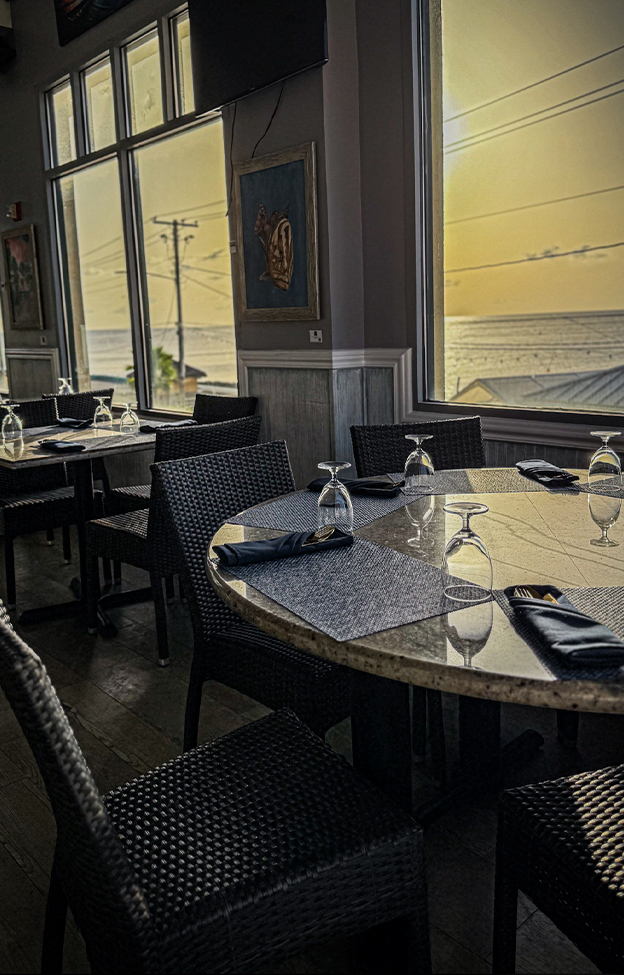
Both sit on the full SeaRock menu alongside the wider catch. To see the room and the waterfront setting where it all comes together, browse our gallery.
The best ingredient needs the least. Start with a great fish, and most of the work is already done.
Grilled, pan-seared or curried
The treatment usually follows the fish. Delicate snapper and mahi mahi love a hot pan or a quick grill with citrus and herbs, where their clean flavour can lead. Firmer fish like grouper and wahoo can take more: a fragrant curry, a bolder marinade, a longer moment over the flame. Tuna is happiest barely cooked, seared on the outside and ruby in the middle. When a kitchen matches the method to the fish like this, you taste the catch rather than the cooking.
How to choose your fish
Not sure what to order? A simple rule of thumb works well. If you want mild and tender, go for snapper or mahi mahi. If you want firm, meaty and full of flavour, choose grouper or wahoo. If you love bold spice, the curry grouper is for you; if you want the fish to speak for itself, the local snapper or the fresh tuna will do exactly that. And whenever you can, ask your server what was landed that morning. The honest answer to that one question tells you both what is freshest and how serious the kitchen really is.
Fish is only one part of the island's table. Pair your fillet with a starter of conch, the most iconic Caymanian ingredient, from our guide to conch in Cayman, and time your visit for Caribbean lobster season if you want the full reef feast. For the complete overview, see our guide to the best seafood in Grand Cayman.
Local fish near the cruise port
George Town is the capital of the Cayman Islands and the island's cruise port, which makes it the easiest place to eat the day's catch. SeaRock sits on the harbour at 43 Seafarers Way, about a two-minute walk from the cruise terminal, so even a few hours in port are enough for a plate of fresh snapper or curry grouper by the water. Seven Mile Beach is a short drive away, but for fish straight off the local boats, the George Town waterfront is where you want to be.
Fresh local fish, cooked by a chef who has spent twenty years learning Cayman's waters, is one of the simplest pleasures on the island. When you are ready to taste the catch, reserve a table at SeaRock on the George Town waterfront, about two minutes from the cruise terminal, and order the day fresh.