Quick answer: Caymanian rundown is a one-pot dish of fresh fish slow cooked in coconut milk with island spice until the milk reduces, the oil rises, and the gravy turns thick and golden. It is one of the oldest, most loved plates in the Cayman Islands, and in George Town you can taste the heritage version, cooked the slow way, at SeaRock on the harbour waterfront.
So what exactly is rundown?
Rundown gets its name from what happens in the pot. Fresh coconut milk is set over a low fire and cooked, or "run down", until it thickens and the coconut oil separates and shines on top. Into that rich base goes the catch of the day, usually a firm reef fish such as snapper, along with onion, sweet pepper, thyme, garlic and a piece of scotch bonnet for warmth. It simmers gently until the fish is tender and the sauce coats a spoon. The result is deep, savoury and a little sweet, the kind of food that fills a kitchen with its smell long before it reaches the table.
You will find cousins of this dish all over the Caribbean under different names, but the Caymanian version has its own hand: a clean, fish-forward pot built around the reef rather than heavy with extras. Traditionally it is served with starchy island sides that soak up the gravy, things like cassava, breadfruit, green banana, sweet potato or a flour dumpling. Nothing on the plate is fancy. Everything on it has a reason.
What gives rundown its flavour
- Coconut milk, cooked down slowly so the sauce thickens and the natural oil comes through. This is the soul of the dish.
- Fresh reef fish, firm enough to hold together in the pot. Snapper is a classic choice in Grand Cayman waters.
- Island aromatics: onion, garlic, sweet pepper, thyme and a whisper of scotch bonnet for heat without overwhelming the fish.
- Starchy sides such as cassava, breadfruit or dumplings, there to carry every drop of the gravy.
Where rundown comes from
To understand rundown you have to understand how Caymanians lived. These are sea-faring islands, and for generations families cooked with what the reef, the shore and the small garden gave them. Coconut palms grew everywhere, fish came in fresh, and a single pot over a fire could feed a whole household. Rundown was practical food before it was celebrated food: a way to turn the morning's catch and a few coconuts into a meal with real depth.
Because it leans on coconut and slow cooking rather than imported ingredients, rundown carries the taste of old Cayman in a way few dishes do. It belongs to the same heritage table as conch chowder, fish tea and the traditional stews that defined island cooking before tourism arrived. To trace that whole story, read our short history of Caymanian cuisine, and for the wider picture of how locals still eat today, see what Cayman cooking really is.
Rundown is patience in a pot. You cannot rush the coconut milk, and you cannot fake the result.
How SeaRock cooks heritage food
At SeaRock, heritage cooking is not a novelty on the side of the menu. It is the backbone of the kitchen. Chef Thushara Siriwardana has spent two decades in Grand Cayman kitchens, and he learned to cook slow, coconut-rich food long before that, in his grandmother's kitchen in Sri Lanka. That background means coconut braises, low simmers and the careful building of flavour over time come naturally to his hand. You can read more about the chef behind the kitchen and how his Sri Lankan and Caribbean training meet on the plate.
The same instinct that makes a proper rundown runs through SeaRock's signature dishes. The conch chowder, which more than one guest has called among the best on the island, is built the slow way. So is the curry grouper, and the local snapper served with lemongrass rice and a saffron Chardonnay sauce. These are reef-fresh ingredients treated with respect and finished with fine-dining technique, exactly the philosophy that good heritage cooking has always asked for. You can browse the full range on our menus page.
Where to try rundown style cooking in George Town
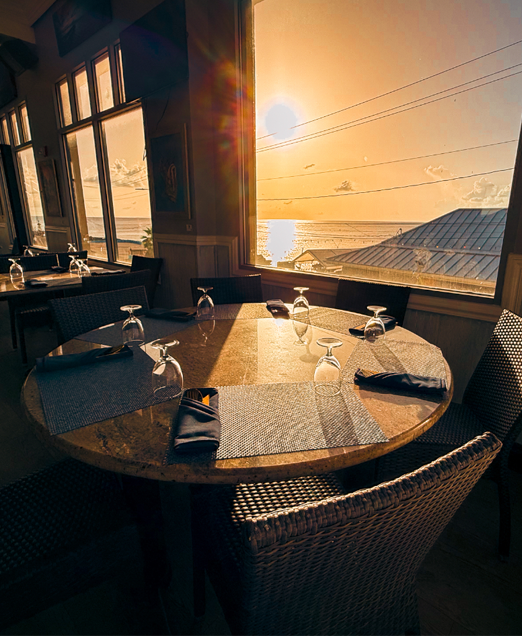
SeaRock sits at 43 Seafarers Way, right on the George Town harbour and about a two minute walk from the cruise terminal. That location matters: the fish is local, the kitchen is steps from the water, and you can eat coconut-braised island cooking with the harbour going gold outside the window. If rundown is what you are after, ask the kitchen what heritage dish is cooking that day, and lean into the coconut-forward plates that share its DNA.
It is the kind of meal best taken slowly, ideally with an island rum cocktail in hand from the bar. Come hungry, come curious, and give yourself time. Heritage food rewards the unhurried.
What to eat and drink with rundown
Rundown is built to be shared, and the sides are half the pleasure. Look for boiled cassava, roasted breadfruit, green banana, sweet potato or a soft flour dumpling, each one there to mop up the golden coconut gravy. A scoop of plain white rice does the same honest work. The dish is rich, so a squeeze of fresh lime and a little extra scotch bonnet on the side let you brighten and lift each bowl to your own taste.
For drinks, keep it island simple. A cold local beer cuts cleanly through the coconut, while a rum punch or an aged sipping rum leans into the warm spice. Our drinks list runs from the rum bar to easy waterfront cocktails, and Happy Hour daily from 4 to 7pm is the relaxed way to ease into a long, slow island meal.
A bowl of proper coconut-braised island fish, eaten on the water in the capital of the Cayman Islands, is one of the truest tastes of this place. When you are ready, reserve a table at SeaRock and let the kitchen run it down for you.